

In the world of modern printing, digital printers have revolutionised the way businesses and individuals approach their printing needs. From vibrant colour graphics to high-volume document production, digital printers offer impressive versatility and efficiency. If you’re considering upgrading your printing technology, this article will explore the benefits of digital printers, their various uses, and how they stand apart from traditional printing methods.
What is a Digital Printer?
A digital printer is a type of printer that uses digital files, such as PDFs, images, and other electronic formats, to produce prints. Unlike traditional printing methods like offset printing, which requires physical plates or screens, digital printing directly transfers the image onto the printing medium. This streamlined process eliminates the need for costly setup and offers flexibility for small and large print runs alike.
Advantages of Digital Printers
- Cost-Effective for Short Runs
One of the most significant advantages of digital printers is their cost-effectiveness for short print runs. Traditional printing methods, such as offset printing, can be expensive and time-consuming for smaller quantities. Digital printers, however, allow businesses to print only the number of copies they need, making them ideal for custom orders, one-off prints, or limited-edition materials. This ability to print on demand can significantly reduce waste and overhead costs. - Speed and Efficiency
Digital printers are known for their speed. They can produce high-quality prints quickly, which is essential for businesses that need fast turnaround times. The absence of plates or screens in digital printing means there is no need for time-consuming setup processes, allowing for immediate printing once the digital file is ready. This speed, combined with minimal maintenance, makes digital printers highly efficient for both large and small print jobs. - High-Quality Output
Digital printing delivers excellent print quality, making it suitable for a range of applications, from detailed images to crisp text. Modern digital printers are capable of reproducing vibrant colours and sharp contrasts, making them ideal for printing marketing materials, business cards, brochures, and promotional items. While they may not offer the same level of fine detail as offset printing, they provide high enough quality for most commercial and personal uses. - Customisation and Personalisation
Digital printers excel at customisation. They allow businesses to print unique materials with personalised elements, such as variable data printing (VDP). For example, digital printing can personalise direct mail pieces, labels, and packaging by inserting customer names, addresses, or tailored messages. This ability to customise print materials makes digital printing especially valuable for businesses looking to engage their customers on a more personal level. - Environmentally Friendly
Digital printers are often considered more eco-friendly compared to traditional printing methods. They use less energy and produce fewer chemical emissions. Additionally, digital printing eliminates the need for the production and disposal of printing plates, which is common in offset printing. For businesses aiming to reduce their carbon footprint, digital printing offers a more sustainable solution without compromising on print quality.
Types of Digital Printers
There are several types of digital printers available, each suited for different needs and applications. The most common types include:
Inkjet Printers
Inkjet digital printers are versatile and can produce high-quality prints, including photos and intricate designs. These printers use liquid ink that is sprayed onto the paper through tiny nozzles. Inkjet printers are commonly used for a variety of printing needs, including posters, brochures, and photographic prints.
Laser Printers
Laser printers use a laser beam to create an electrostatic image on a drum, which is then transferred to paper using toner. They are particularly known for their efficiency and speed, making them ideal for high-volume document printing. Laser printers are excellent for businesses that need to print large quantities of text-based materials, such as reports, invoices, and memos.
Solid Ink Printers
Solid ink printers use wax-like ink sticks that are melted and applied to the printing surface. These printers are known for producing vibrant colours and high-quality prints, making them suitable for applications such as posters, banners, and other large-format materials. They are also energy-efficient, as they require fewer components than inkjet or laser printers.
Applications of Digital Printers
Digital printers are used in a wide range of industries and applications, owing to their versatility and high-quality output. Some common uses include:
Marketing and Promotional Materials
Businesses in marketing and advertising frequently use digital printers to create flyers, brochures, and posters. The ability to quickly print high-quality images and vibrant colours makes digital printers a go-to choice for producing visually appealing promotional materials.
Packaging
Digital printing has made its mark in the packaging industry, allowing for customised packaging solutions. Digital printers can produce short-run packaging with variable designs, making them ideal for niche or seasonal products. Customised labels, boxes, and packaging are easier to produce with digital technology than with traditional methods.
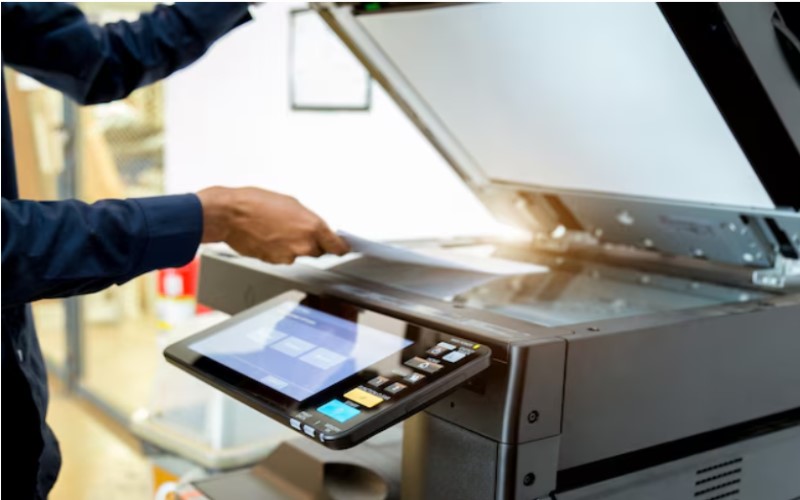
Business Documents
For everyday business needs, digital printers are an excellent choice for printing reports, contracts, invoices, and other documents. Laser printers, in particular, excel at producing high volumes of sharp, clear text documents with minimal maintenance.
Photo Printing
Photographers and artists often use digital printers to produce high-quality prints of their work. Whether it’s a limited edition print or a photo album, digital printers provide the flexibility and quality necessary for professional-grade photo reproduction.
Choosing the Right Digital Printer
When selecting a digital printer, businesses must consider factors such as the volume of printing required, the types of materials to be printed, and the required print quality. High-volume businesses may prefer laser printers due to their speed and efficiency, while those who require high-quality images and colour reproduction may opt for inkjet or solid ink printers. It’s also essential to factor in ongoing costs, including ink or toner cartridges and maintenance.
Conclusion
Digital printers are an essential tool for businesses looking to improve their printing capabilities. With their cost-effectiveness, high-quality output, and flexibility, digital printers have become the preferred choice for many businesses, from small startups to large corporations. Whether you’re printing documents, promotional materials, or custom packaging, digital printing offers an efficient and eco-friendly solution that meets the demands of modern businesses.